
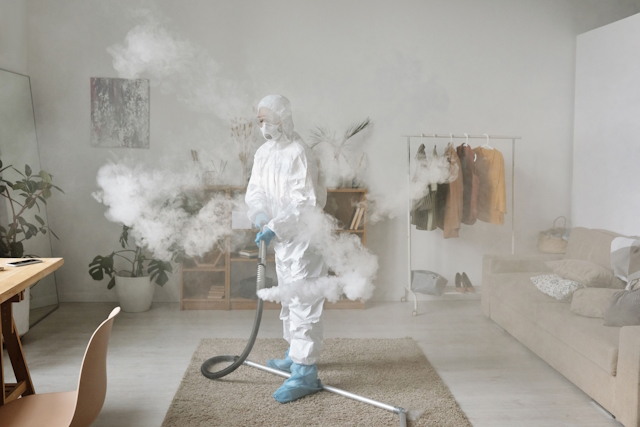
Methamphetamine laboratories can leave behind far more than visible chemical waste. Toxic residues may settle on walls, floors, ceilings, fittings, ventilation systems and other surfaces. Chemical by-products can also create fire, explosion and exposure hazards. As a result, meth lab cleaning is a complex task that should never be treated as ordinary household cleaning. A professional remediation process begins with risk assessment and continues through controlled removal, decontamination, waste management and final verification.
Meth Lab Contamination Can Create Multiple Safety Hazards
Meth production may involve solvents, acids, corrosive substances and other hazardous chemicals. Residues can remain on surfaces even after the laboratory has been dismantled.
Potential hazards may include:
- Chemical exposure through skin contact or inhalation.
- Contaminated surfaces and building materials.
- Hazardous chemical containers and discarded equipment.
- Fire or explosion risks from volatile substances.
- Contamination spreading to unaffected areas.
The level and type of contamination can vary significantly between properties. For this reason, an appropriate assessment should be completed before cleaning begins.
A Thorough Site Assessment Helps Establish The Cleanup Strategy
The first stage of professional meth lab remediation is a detailed assessment of the affected property. Areas that may have been used for manufacturing, storage or waste disposal should be identified.
Sampling and laboratory analysis may also be required to establish the presence and extent of contamination. The findings can then be used to develop a site-specific remediation plan.
A controlled work area should be established where necessary. Access can be restricted to reduce the risk of contaminants being transferred to clean parts of the property.
Personal Protective Equipment Supports Safer Meth Lab Cleaning
Appropriate personal protective equipment (PPE) is an important part of the cleaning process. The equipment selected should reflect the hazards identified during the site assessment.
Depending on the circumstances, PPE may include:
- Protective gloves and suitable protective clothing.
- Eye and face protection.
- Appropriate respiratory protection.
- Protective footwear.
- Other specialist equipment required for the identified hazards.
PPE is only one part of a safe work system. Workers should also follow established procedures for entering, working within and leaving the contaminated area.
Decontamination Requires More Than Ordinary Cleaning
Meth lab remediation involves the controlled removal of contamination from affected surfaces and materials. Cleaning methods should be selected according to the type of contamination and the materials involved.
Hard surfaces may require detailed cleaning and decontamination. Porous materials that cannot be effectively cleaned may need to be removed and managed as contaminated waste.
Particular attention may be required for areas such as:
- Walls, ceilings and flooring.
- Cupboards, benches and fixtures.
- Heating, ventilation and air-conditioning components.
- Frequently touched surfaces.
- Areas used to store chemicals or equipment.
The aim is to prevent residues from remaining behind or being redistributed during the remediation process.
Contaminated Waste Must Be Managed Responsibly
Meth lab cleaning can generate hazardous waste that cannot simply be placed in ordinary household rubbish. Contaminated materials and chemical waste should be identified, contained, transported and disposed of in accordance with applicable environmental and workplace safety requirements.
Responsible waste management helps prevent further exposure and reduces the risk of contamination being transferred to other locations. Documentation may also be maintained to demonstrate how waste was handled throughout the remediation process.
Clearance Testing Helps Confirm Successful Remediation
Cleaning should not automatically be considered complete when visible residues have been removed. Where required, post-remediation assessment and clearance testing can be undertaken to verify that the property has reached the relevant health and safety criteria.
Testing provides an additional level of assurance for property owners, occupants, landlords and other stakeholders. If results indicate that further remediation is necessary, additional cleaning can be undertaken before the property is returned to normal use.
Professional Meth Lab Remediation Provides Safer Property Restoration
At Biosite Cleanup, professional meth lab remediation services are provided for properties affected by methamphetamine contamination. Our experienced team can assist with assessment, controlled cleaning, decontamination, contaminated material removal and appropriate waste management. Each property presents different risks, so remediation is approached according to the conditions identified on site.
Biosite Cleanup services Goulburn, Canberra, Batemans Bay and surrounding areas of NSW, providing professional and discreet biohazard cleanup support. If a property is suspected of having been used as a meth lab, professional advice should be sought before any cleaning is attempted.
Contact Biosite Cleanup on 0409037634 or email bryan@biositecleanup.com.au to discuss professional meth lab cleaning services.