
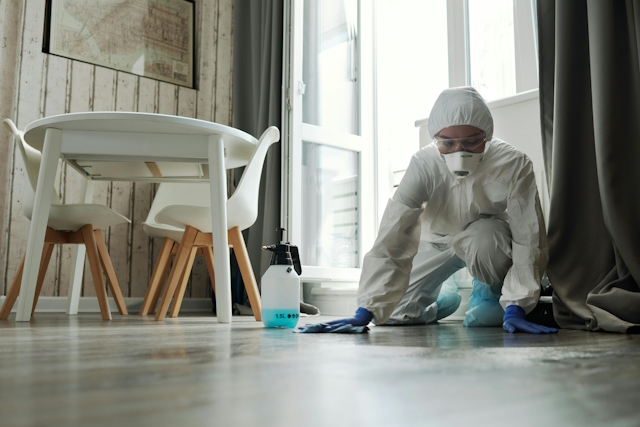
Discovering an unattended death is deeply distressing and overwhelming, and it also presents immediate health, safety, and legal concerns that cannot be ignored. When a person passes away alone and remains undiscovered, natural decomposition begins, releasing bodily fluids, gases, and bacteria that can quickly contaminate the surrounding environment. These substances
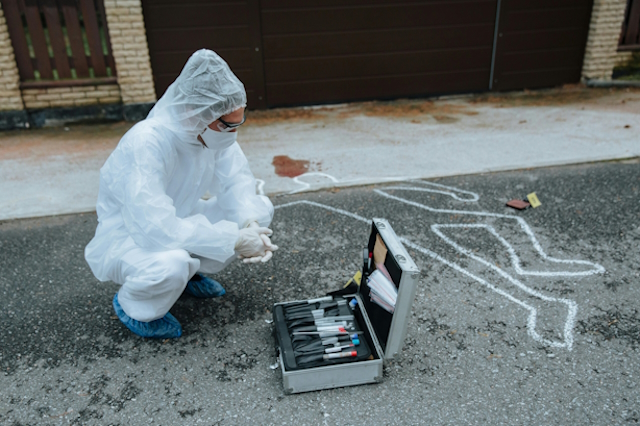
When a traumatic incident occurs, the aftermath can feel overwhelming. The Crime Scene Cleanup Process plays a vital role in helping families, property owners, and communities move forward. It is far more than simple cleaning. It is a specialised process designed to remove biohazards, restore safety, and return a space
Mould can grow quietly, spreading long before it becomes visible. Many people only discover a mould problem when a musty smell appears or health symptoms begin. By then, the damage can be extensive. Professional mould testing helps detect invisible contamination early, making it one of the most important steps in

A clean and well-maintained laboratory is vital for ensuring accurate results, safe operations, and compliance with regulatory standards. Contamination in laboratories can compromise experiments, endanger personnel, and damage expensive equipment. Proper cleaning and decontamination not only protect scientific integrity but also uphold health and safety within the workspace. Understanding the
A septic tank is an essential part of many Australian homes, especially in rural and regional areas where there is no access to a central sewage system. Proper care of your septic tank is vital to prevent blockages, foul odours, and costly repairs. While pumping is the most common and